- vjconsultants06@gmail.com
- +91 93447 91924 +91 90431 01924.

Non-Destructive Testing Division
We extend our services to assess the qualities of structural materials such as concrete and steel employing non-destructive testing procedures that meet Indian standards.
Structural Concrete
- Rebound Hammer Test
- Ultrasonic Pulse Velocity Test
- Core Cutting
- Carbonation Test
- Corrosion Analysis
- Cover Meter Test
- Concrete Moisture test
Structural Steel
- Ultrasonic Thickness Gauge Test
- Harness test
- Liquid Penetration test
Structural Concrete
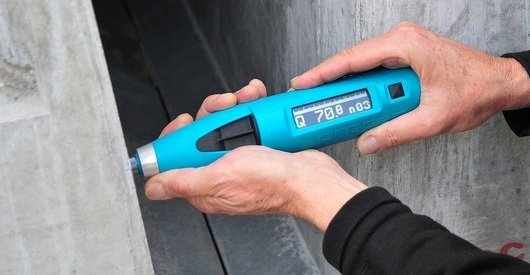
Hit, Rebound, Analyze – Non-Destructive Precision.
The Rebound Hammer Test is a quick and effective non-destructive method used to estimate the surface hardness and compressive strength of concrete structures. At VJ Consultants, we use calibrated Schmidt hammers in accordance with IS 516 to assess in-situ concrete quality without damaging the structural elements.
This test is especially useful for:
Evaluating uniformity of concrete
Quality assurance of existing structures
Identifying weak zones in structural members
Supporting decisions on repair or retrofitting
Testing Concrete from the Inside Out — Without a Crack.
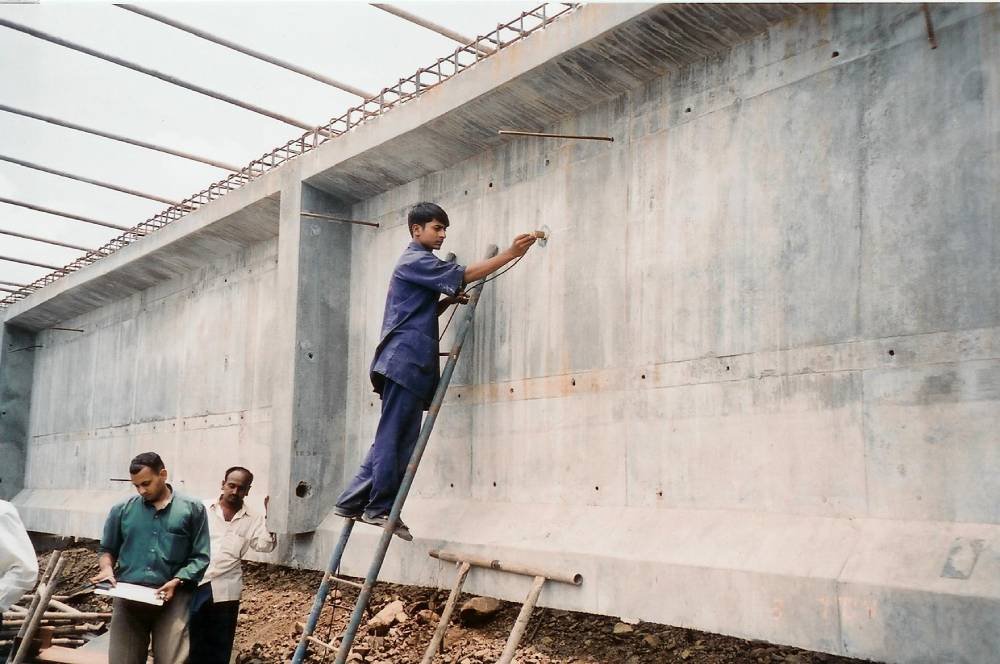
At VJ Consultants, the Ultrasonic Pulse Velocity (UPV) Test is a key part of our non-destructive testing services for assessing the internal quality and uniformity of concrete structures. This IS-code-compliant method evaluates the velocity of ultrasonic waves passing through concrete to detect cracks, voids, honeycombing, and overall integrity — without damaging the structure.
We use advanced UPV equipment to:
Assess concrete homogeneity
Detect internal flaws or weak zones
Estimate elastic properties and strength indirectly
Monitor deterioration over time
Classify quality as per IS 516 (Part 5/Sec 1):2018
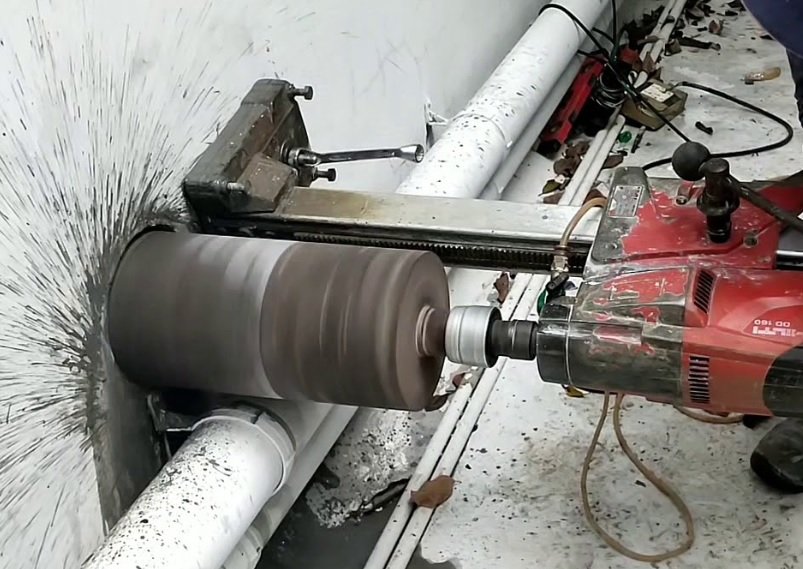
Precision Cuts That Reveal Concrete Truths.
Core Cutting is a semi-destructive testing technique used to extract cylindrical concrete samples from existing structures for assessing compressive strength, density, and durability characteristics. At VJ Consultants, we perform core cutting with precision equipment and skilled technicians to ensure minimal disruption to the structure while delivering maximum insight.
Our team evaluates the extracted core samples as per IS 516 and other relevant Indian Standards to determine the in-situ strength and material quality of hardened concrete. This test is crucial for structural audits, retrofitting decisions, and legal compliance in rehabilitation or dispute cases.
Our Core Cutting Services Include:
Core extraction from beams, slabs, columns, and walls
Sample preparation and laboratory compressive strength testing
Dimensional tolerance and density analysis
Interpretation as per IS code guidelines
Expert reporting for legal, audit, or structural evaluation
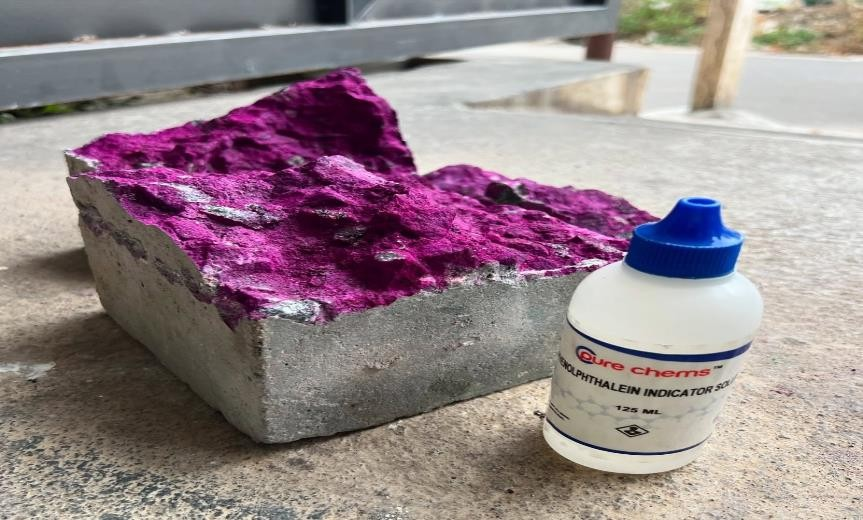
Exposing the Hidden Threats Within Concrete.
Carbonation Testing is a critical diagnostic tool used to assess the durability and remaining service life of reinforced concrete structures. At VJ Consultants, we conduct this test to evaluate the depth to which atmospheric carbon dioxide has penetrated the concrete and neutralized its alkalinity — a key factor that can trigger corrosion of embedded steel.
Using phenolphthalein indicator, we identify the carbonation front with precision and analyze the risk to the reinforcement bars. This helps us recommend preventive or remedial actions for structural health, especially in aging or exposed concrete structures.
Why Carbonation Testing Matters:
Detects reduction in concrete pH over time
Identifies risk of steel corrosion before visible damage
Supports decisions on structural repair or protection
Complies with IS 516 and IS 456 guidelines
Non-destructive and cost-effective
Corrosion Doesn’t Warn You — But We Do.
At VJ Consultants, our corrosion analysis services help detect early signs of reinforcement deterioration in concrete structures — without causing damage. Using standardized non-destructive techniques like half-cell potential testing, we assess the electrochemical activity around embedded steel, identifying areas where corrosion may be active or imminent.
Corrosion weakens structural integrity over time and often progresses unseen. Our testing provides vital data that informs repair strategies, maintenance plans, and life extension of structures such as bridges, industrial plants, water tanks, and buildings.
Key Features:
Half-Cell Potential Testing (ASTM C876)
Mapping of Corrosion Activity Zones
Evaluation of Concrete Cover and Moisture Influence
Corrosion Risk Interpretation Based on Voltage Readings
Integration with Structural Audit Reports and Repair Design
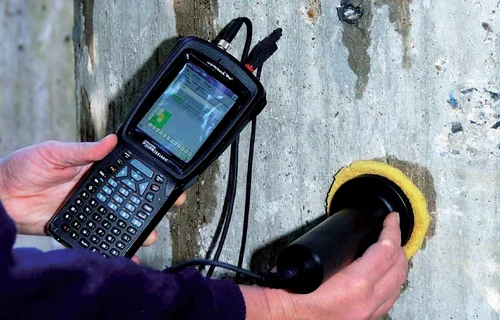
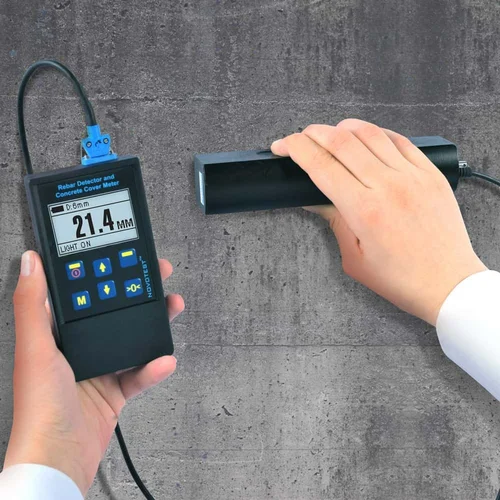
Looking Beneath the Surface Without Breaking It.
At VJ Consultants, the Cover Meter Test is a crucial non-destructive method used to determine the depth of concrete cover over reinforcing bars (rebars) and to locate the position and spacing of embedded steel. This test ensures structural integrity by verifying compliance with design specifications and standards, especially in structural audits, repairs, and safety assessments.
Using advanced electromagnetic scanning equipment, we provide accurate data without damaging the concrete element. The test also helps in planning for core cutting, retrofitting, or rehabilitation work by minimizing the risk of damaging reinforcements.
Key Benefits:
Detects position, depth & orientation of rebars
Assesses concrete cover as per IS codes
Identifies reinforcement spacing & distribution
Ideal for structural audits & renovation planning
Completely non-invasive and efficient on-site
Moisture Mapping for Safer Structures.
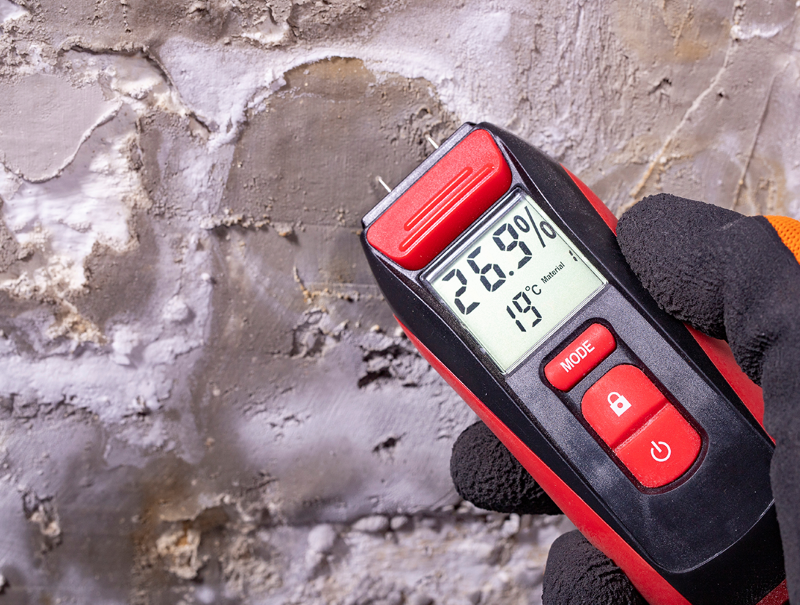
At VJ Consultants, our Concrete Moisture Testing service helps evaluate the presence and level of moisture within concrete slabs and surfaces without causing any damage. Excess moisture in concrete can lead to flooring failures, corrosion of embedded reinforcement, mold growth, and structural degradation.
Using precision digital hygrometers and moisture meters, we measure relative humidity (RH) and moisture content at various depths to ensure that the concrete is dry and ready for subsequent finishes or use. This is especially critical in flooring systems, waterproofing checks, and durability assessments.
Key Features:
Accurate moisture content measurement (surface and internal)
Compliance with relevant Indian standards
Non-destructive and efficient methodology
Ideal for pre-flooring inspections and waterproofing evaluations
Structural Steel
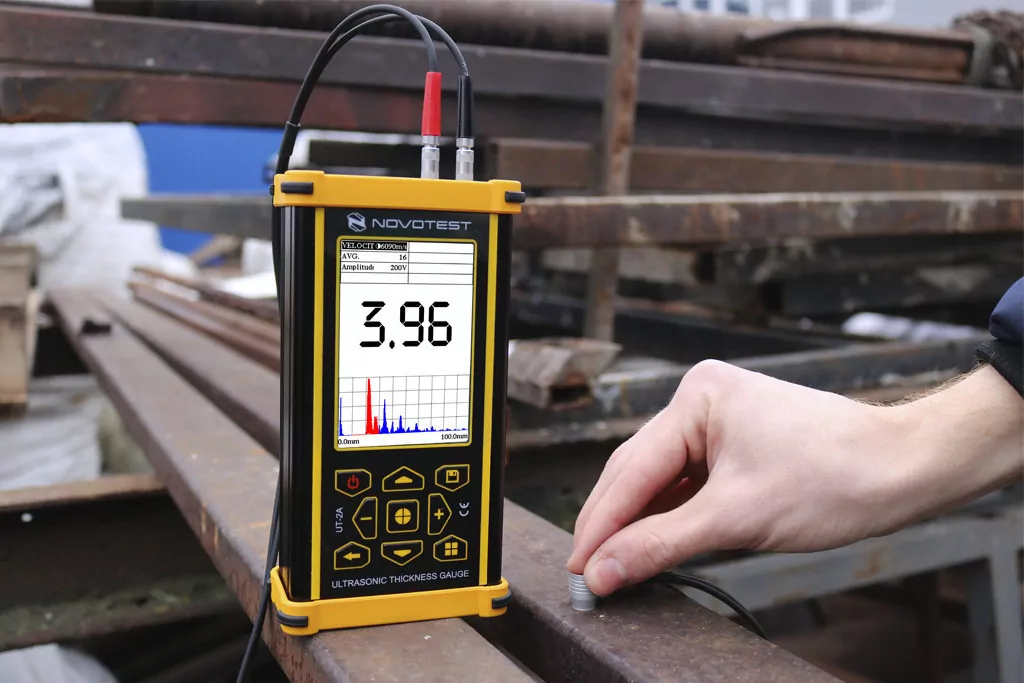
Your Structure’s Safety, Measured to the Millimeter.
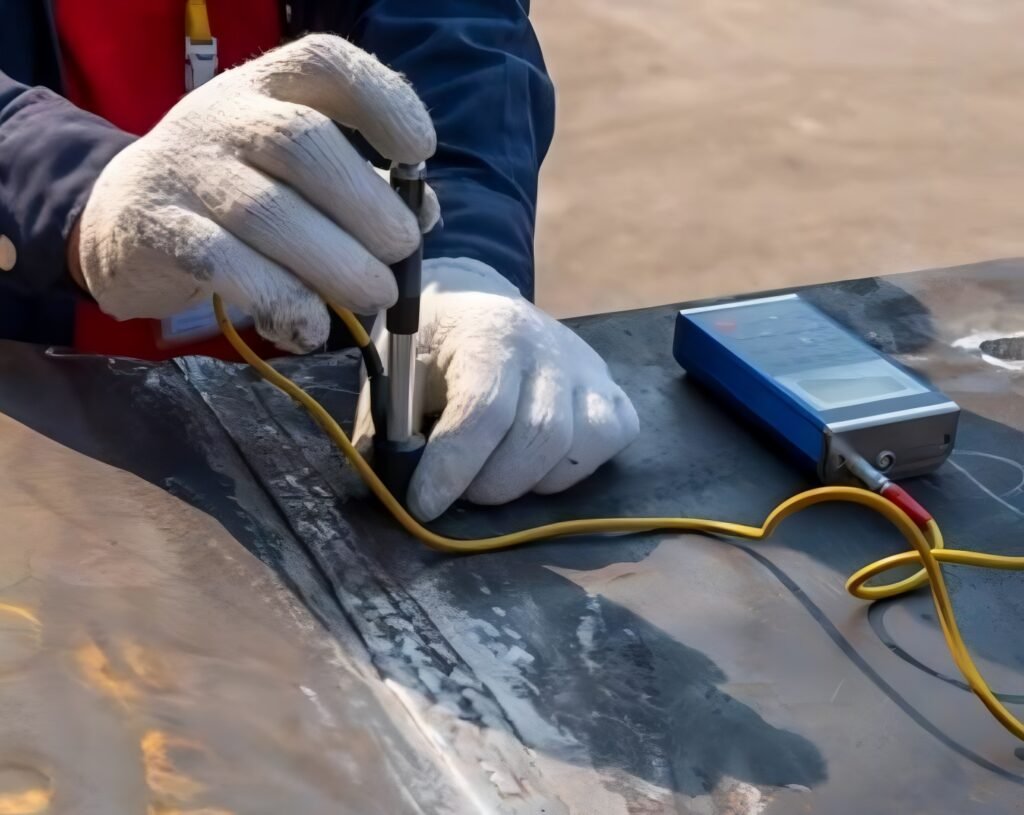
At VJ Consultants, the Ultrasonic Thickness Gauge Test is a vital tool used to determine the remaining wall thickness of structural steel elements without causing any damage. This method is especially useful for assessing corrosion, erosion, and material loss in steel columns, beams, tanks, pipelines, and other metallic components in buildings and industrial structures.
Using high-frequency sound waves, the test measures the time it takes for the ultrasonic pulse to travel through the metal and reflect back. The result gives an accurate reading of the material’s current thickness, helping engineers make informed decisions about maintenance, repairs, or replacements.
Key Benefits:
Accurate wall thickness measurement without dismantling structures
Detects internal thinning due to corrosion or erosion
Ideal for aging steel infrastructure and periodic maintenance
Compliant with industry standards (IS & ASTM)
Fast, reliable, and cost-effective evaluation method
Hard Facts from Hardness Testing.
The Hardness Test is a non-destructive method used to evaluate the resistance of structural steel or metallic components to surface indentation or deformation. At VJ Consultants, we conduct precise on-site hardness testing using standardized equipment like the Brinell, Rockwell, or portable digital testers to assess material integrity without compromising structural performance.
This test is crucial in quality assurance, material verification, weld inspections, and aging structure assessments. It helps determine whether steel components meet required specifications or if they’ve experienced fatigue, corrosion, or manufacturing defects.
Key Applications:
Verification of structural steel quality
Evaluation of weld hardness and heat-affected zones
In-service inspection of aging metal structures
Comparative analysis of unknown steel grades
Your Structure’s Safety, Measured to the Millimeter.
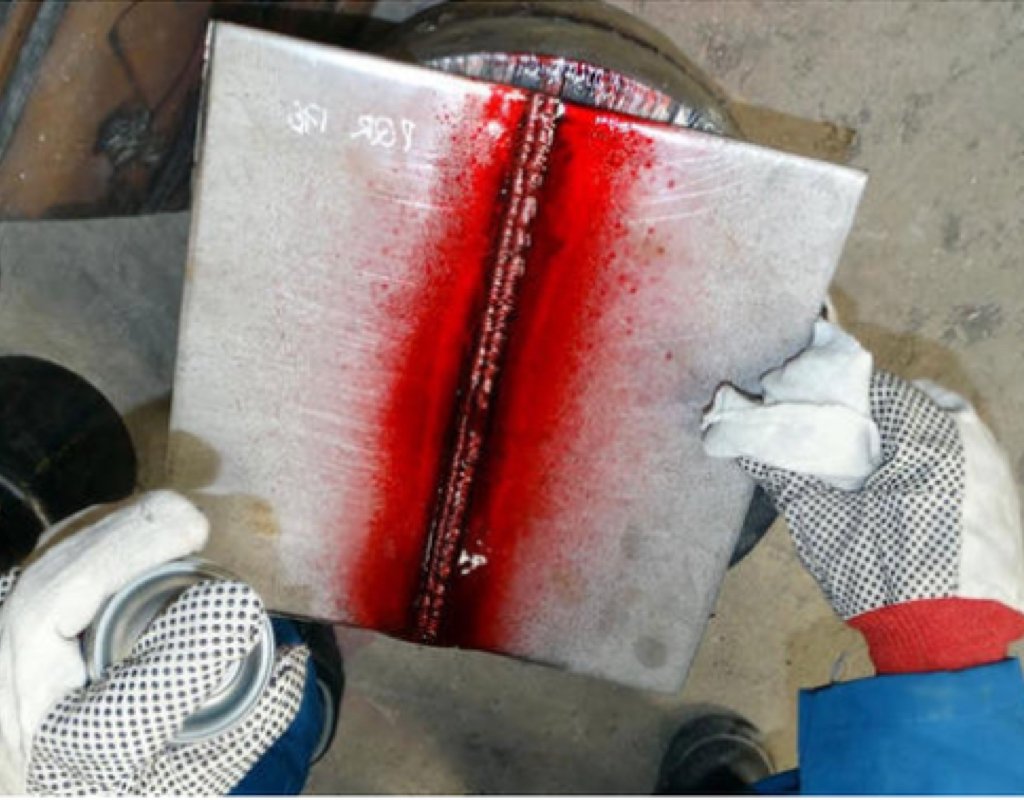
The Liquid Penetration Test (LPT), also known as Dye Penetrant Testing, is a highly effective non-destructive testing method used to detect surface-level cracks, porosity, and discontinuities in non-porous materials like structural steel, aluminum, and welds.
At VJ Consultants, we use this method to assess the integrity of components that are critical to structural performance, especially in steel structures and industrial installations. The process involves applying a visible or fluorescent dye to the material surface, allowing it to seep into any surface defects, and then using a developer to draw the dye out — making even the smallest flaws visible to the naked eye or under UV light.
Applications:
Weld Inspection
Detection of Fatigue Cracks
Quality Control for Steel Fabrication
Inspection of Castings, Pipes, and Tanks
Surface Defect Evaluation in Bridges & Industrial Structures

Copyright ©️ 2025 VJ CONSULTANTS. All Rights Reserved Designed by Wink Dezign